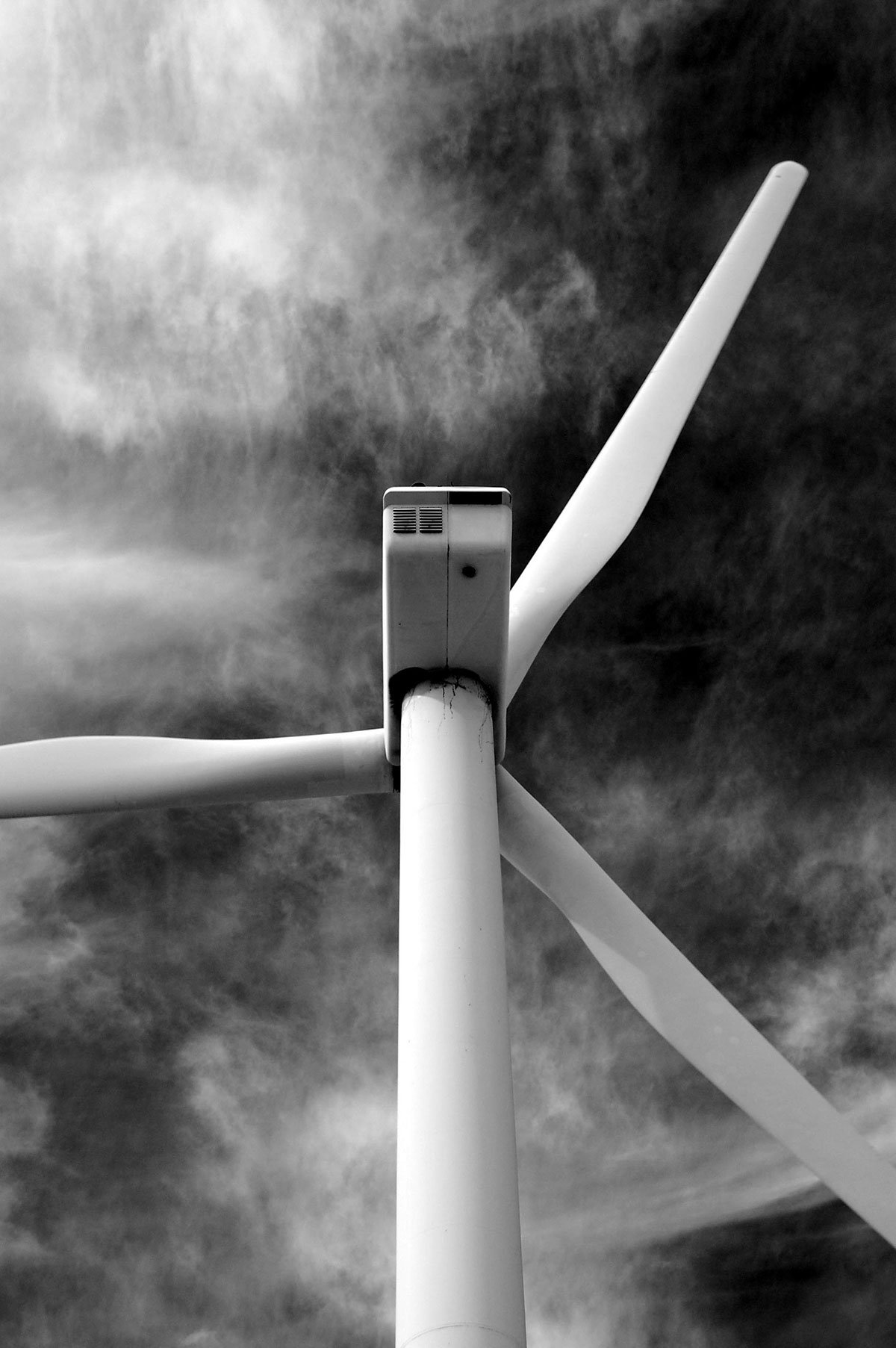
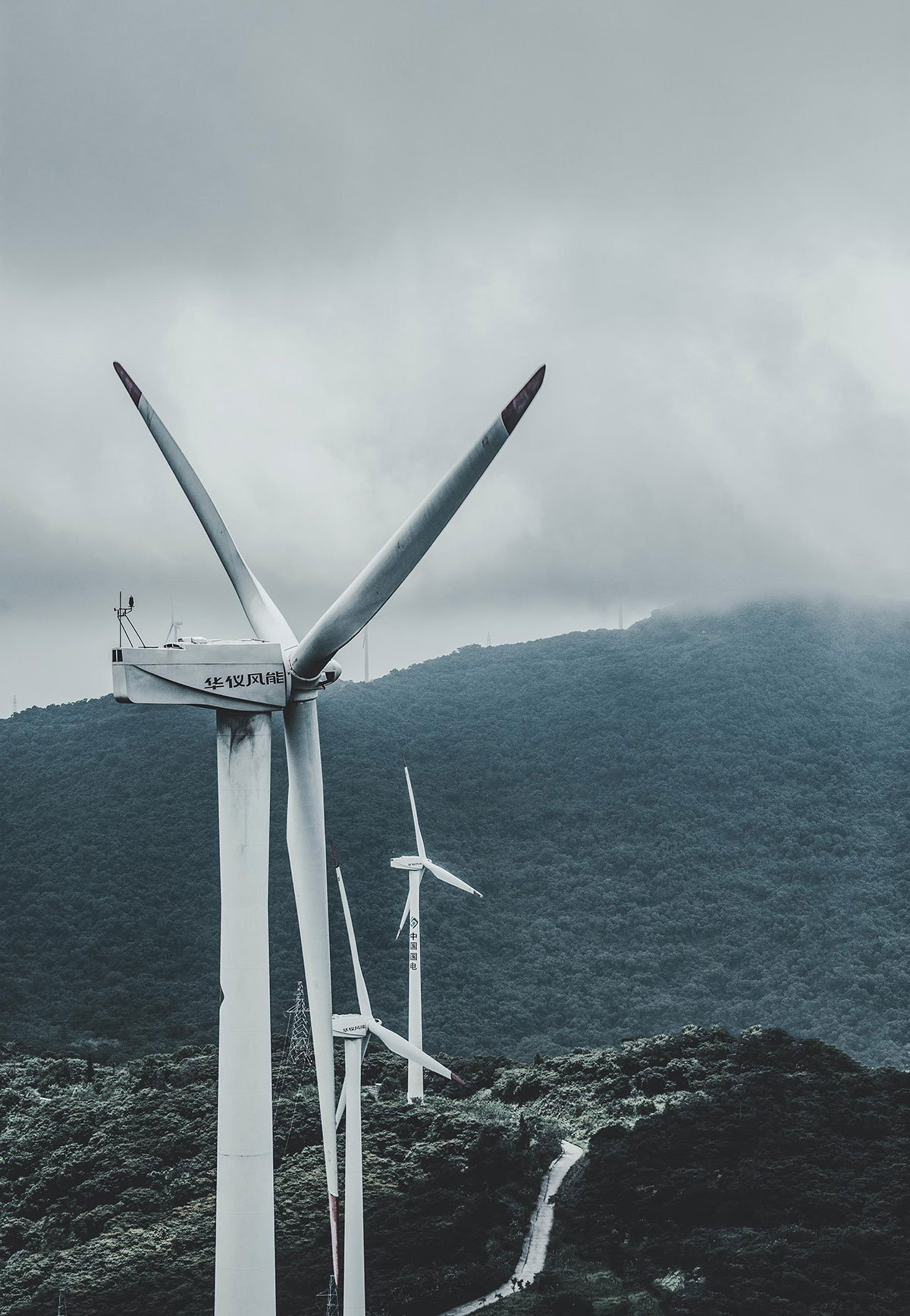
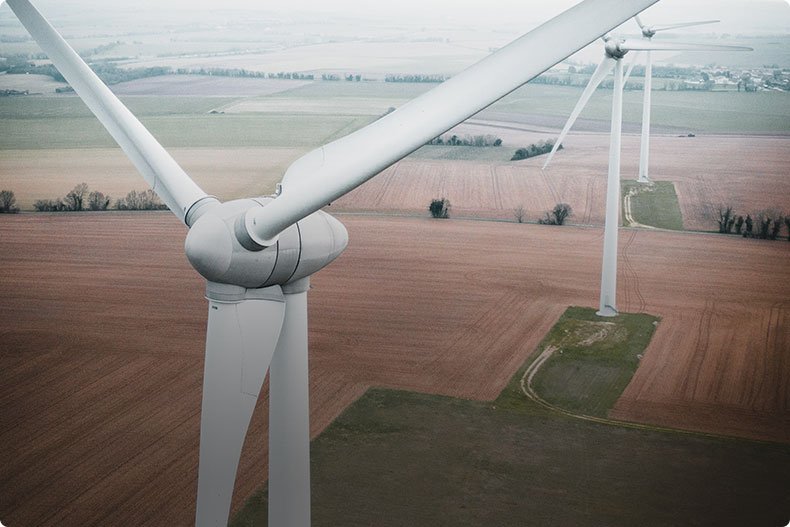
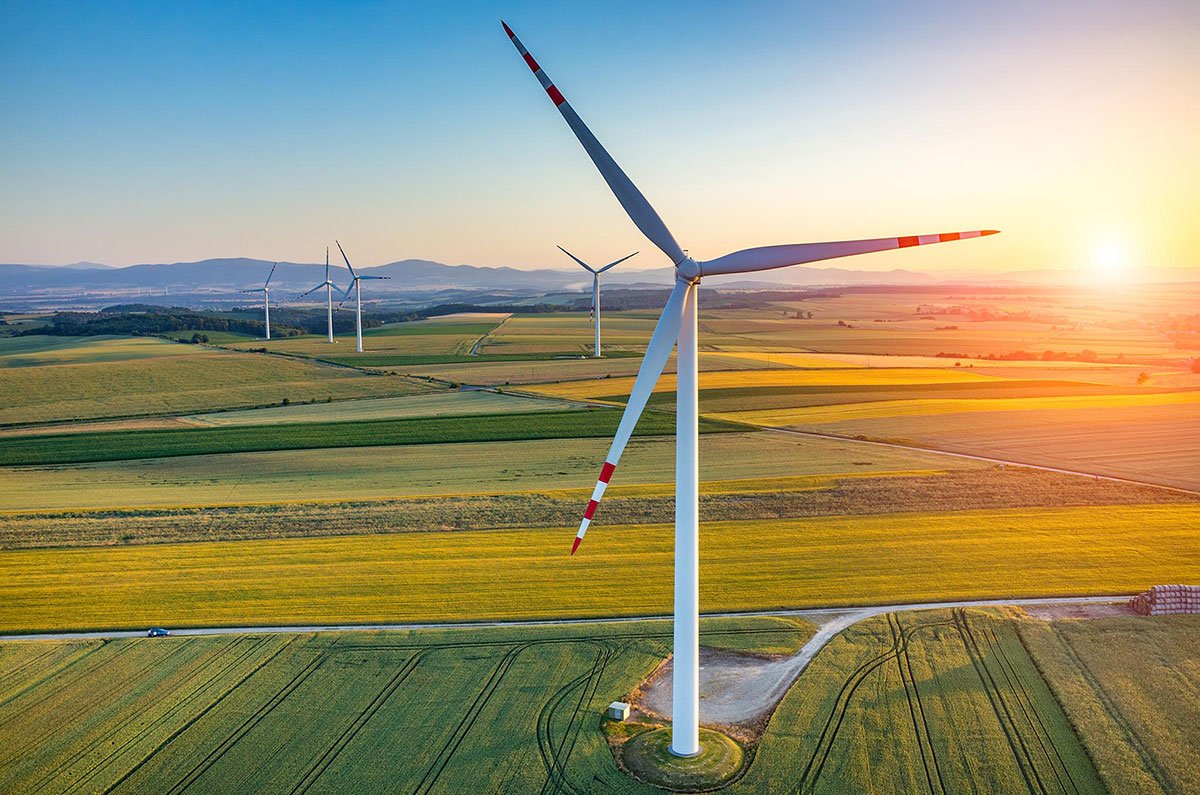
Wind turbines are manufactured in a wide range of vertical and horizontal axis. The smallest turbines are used for applications such as battery charging for auxiliary power for boats or caravans or to power traffic warning signs. Larger turbines can be used for making contributions to a domestic power supply while selling unused power back to the utility supplier via the electrical grid. Arrays of large turbines, known as wind farms, are becoming an increasingly important source of intermittent renewable energy and are used by many countries as part of a strategy to reduce their reliance on fossil fuels.
One assessment claimed that, as of 2009, wind had the "lowest relative greenhouse gas emissions, the least water consumption demands and... the most favourable social impacts" compared to photovoltaic, hydro, geothermal, coal and gas.[1]

It has been argued that expanding use of wind power will lead to increasing geopolitical competition over critical materials for wind turbines such as rare earth elements neodymium, praseodymium, and dysprosium. But this perspective has been criticised for failing to recognise that most wind turbines.
Despite these diverse developments, developments in fossil fuel systems almost entirely eliminated any wind turbine systems larger than supermicro size. In the early 1970s, however, anti-nuclear protests in Denmark spurred artisan mechanics to develop microturbines of 22 kW.
Our Solar business now provides the preferred channel to market for some of the world’s leading PV manufacturers and our solar professionals work jointly with partners on enhancing product features, lowering lead times and improving cash flow.
Mangalam Engineering is a leading authorized dealer and service provider for brands like Kirloskar, Ashok Leyland, Greaves Power, and Cummins generators. Under the leadership of Mr. Dattatray Mali, the company has gained a strong market presence through expert management and innovative strategies.